


Table of contents
Christmas scams in Ireland can turn a tempting offer or parcel update into a costly mistake. Between Black Friday offers and Christmas shopping, there can be plenty to keep track of. Scammers can use this seasonal rush to make fake offers and messages look convincing. However, knowing the warning signs can help you shop with confidence and protect your money.
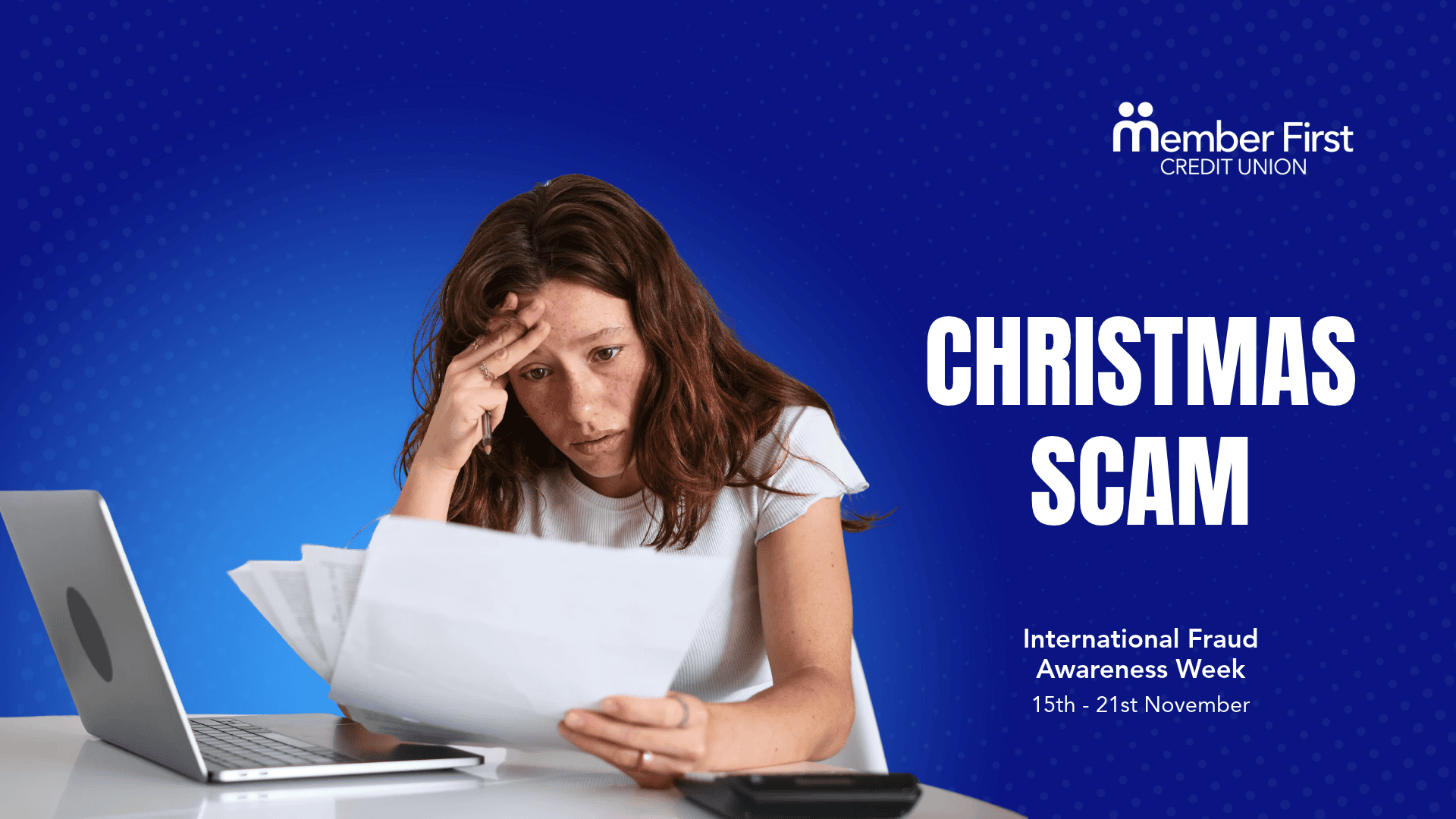
To mark International Fraud Awareness Week (15–21 November 2026), we’re helping members recognise common scams and protect their money. Here are some scams to watch out for this Christmas, along with practical steps to help you stay safe.
Fake online shops and Christmas scams in Ireland
You spot a great deal online. The website looks genuine, the price is tempting and the offer won’t last long. But is the retailer real?
Fake shopping websites can leave you paying for goods that never arrive or sharing your card details with fraudsters. The CCPC’s fake online shop guidance explains how scammers use convincing websites and social media advertisements to imitate trusted businesses.
To avoid Christmas scams in Ireland, research unfamiliar retailers before placing an order. First, check their contact details, returns policy and independent reviews. Be especially careful if an offer seems too good to be true. Remember, a padlock symbol or HTTPS connection alone doesn’t prove a website is genuine.
Fake Christmas competitions and giveaways
A familiar company logo and a small postage fee can make a fake giveaway look convincing. In September 2026, the Competition and Consumer Protection Commission (CCPC) warned about fraudulent promotions using Dublin Zoo’s branding to offer free gifts and back-to-school packs. Some asked people to pay €2–€3 in postage.
Although these weren’t Christmas giveaways, similar tactics could be used to advertise festive competitions and shopping vouchers. If you’re told you’ve won a prize, visit the company’s official website independently rather than following a link in the message. Confirm the competition is genuine and that you entered it before sharing any personal or card details.
Bogus seasonal job offers
Looking to earn some extra money before Christmas? Be careful with offers promising easy earnings.
In a case documented in the CCPC’s November 2025 report, Scams: Real Cases, Real Consequences, a woman responded to an online job advertisement falsely using a well-known department store’s branding. The role promised up to €350 a day for reviewing products. Instead of earning money, she was repeatedly asked to make payments and eventually lost €10,000.
Research an unfamiliar employer before accepting a job offer. Be particularly cautious if you are asked to pay money to unlock your earnings. Checking the opportunity first can help you avoid losing money to a fake job advertisement.
A job offer that asks you to receive money and transfer it onwards is another warning sign. This could involve money muling: criminals use other people’s accounts to move illegally obtained money. In contrast, an advance-payment job scam asks you to pay to unlock supposed earnings. Do not let someone use your account to move money for them. For more information, read our money-mule fraud guide.
Fake delivery texts and impersonation messages
Be cautious of unexpected texts claiming that customs officials are holding your parcel. For example, a link may take you to a fake delivery website that asks for your card details. As a result, you could face unauthorised transactions.
With Christmas deliveries arriving, messages like these can easily catch people off guard.
Fraudsters may also impersonate banks, credit unions or family members, creating a sense of urgency to make you act quickly.
If an unexpected message asks for money or personal information, pause before replying. Instead of following its link, contact the organisation or person directly using details you already trust.
Christmas scams in Ireland: what to do if you’re targeted
If something doesn’t feel right, pause and check before acting.
If you think you’ve been scammed:
- Contact your bank, credit union or card provider immediately using a trusted contact number. Ask whether your card or account needs to be blocked to prevent further payments. Explain how you paid and ask what options are available to recover the money, including disputing the payment or requesting a chargeback for a card payment. Recovery is not guaranteed.
- Keep evidence, including messages, screenshots and transaction details.
- Report suspected fraud to An Garda Síochána at your local Garda station.
Never share your PIN, passwords or one-time security codes with anyone. If a caller or message asks you to disclose them, stop and contact the organisation directly using details you already trust.
We’re here to help
Christmas should be about enjoying the moments that matter, not worrying about scams.
If you’re concerned about a payment, suspicious message or unusual account activity on your Member First Credit Union account, contact us using the details on our contact page. You can also visit your local branch for guidance.
This Fraud Awareness Week, remember three simple things: Stop. Think. Check.
When it comes to Christmas scams in Ireland, a quick question could prevent a costly mistake.
Stay safe and enjoy the festive season.
-

MFCU Eases Back-to-School expenses for Families
As we approach the back-to-school season, many parents are feeling the financial strain of preparing their children for the new academic year. A recent survey by the Irish League of Credit Unions featured in RTE.ie highlights that more than one in four parents take on debt to cover school costs, with an average debt of €368.…
-
Christmas Scams Ireland: What to Watch Out for This Festive Season
Christmas scams in Ireland can turn a tempting offer or parcel update into a costly mistake. Between Black Friday offers and Christmas shopping, there can be plenty to keep track of. Scammers can use this seasonal rush to make fake offers and messages look convincing. However, knowing the warning signs can help you shop with…
-
PRIZE DRAW April 2025: WINNERS ANNOUNCEMENT
The last day of sunny April is going to be a whole lot brighter for a few of our lucky members, as today we announce the winners of our April 2025 MFCU Prize Draw. Yes, the MFCU Prize Draw April 2025 has taken place today, and we have some very lucky winners walking away with…
-
Prize Draw October 2026 Winners Announcement
Halloween is nearly here, and we have some good news to share: our Prize Draw October 2026 results are in. Congratulations to all this month’s winners, and thank you to everyone who takes part. This Month’s Top Prize Veronica Daly leads this month’s winners with a €15,000 prize. Whether it helps with something special or…

we’re here to help

Ask us a question

Online tutorials
