





Estimated reading time: 3 minutes
Phone-based scams, commonly known as “Vishing”, have become one of the most serious threats facing credit union members. According to RTÉ, vishing activity increased by nearly 300% between January and May 2025 compared to the same period last year. During the same timeframe, losses linked to compromised login details rose by 67%.
These figures show that fraudsters are using increasingly sophisticated methods. They rely on urgency, fear, and psychological pressure to manipulate victims into acting quickly without proper verification.
A recent case reported in Dublin highlights how convincing phone-based scams can be.
A credit union member received a call that appeared to come from a local Dublin number. The caller claimed the member’s account had been compromised and insisted that urgent “Level 3” security action was required. Using this tactic, the fraudster persuaded the member to set up online access and disclose sensitive banking credentials. Within hours, a new payee was added, and an attempt was made to transfer €5,500 to an account in Portugal.
How Phone-based Scams Work
Irish phone users have reported a sharp increase in scam calls originating from +44 UK numbers. These calls often use automated messages that pose as recruitment agencies or well-known retailers to gain trust and prompt a response.
Phone-based scams typically follow a predictable pattern designed to exploit trust and create a sense of urgency. Fraudsters frequently use spoofing technology so calls appear to come from legitimate financial institutions or local phone numbers.
Red Flags to Watch For
We will never ask for your banking credentials, verification codes over the phone. Always stay alert and contact us directly using the official phone numbers listed on our website to speak with our financial advisors.
If a call feels rushed or you are being pressured to act quickly, treat this as a warning sign.
Be aware of these common phone scam warning signs:
- Urgent or threatening language: Messages such as “your account will be suspended” or “immediate action required” are used to create panic and stop you from thinking clearly.
- Requests for sensitive information: Banks will never ask for login details, one-time passcodes, or security information over the phone.
- Masked or suspicious phone numbers: Calls that appear to come from local or familiar numbers may not be genuine.
Protecting Your Account
If you suspect the phone-based scam or Vishing, contact us immediately using official contact details mentioned on our website and report the incident to An Garda Síochána. Early action can prevent significant financial loss and help authorities track fraudulent networks.
-

MFCU Eases Back-to-School expenses for Families
As we approach the back-to-school season, many parents are feeling the financial strain of preparing their children for the new academic year. A recent survey by the Irish League of Credit Unions featured in RTE.ie highlights that more than one in four parents take on debt to cover school costs, with an average debt of €368.…
-
Prize Draw September 2026 Winners Announcement
September has a way of feeling like a fresh start. The summer holidays are behind us, routines are back in place, and there’s a noticeable change in the air as autumn settles across North Dublin. For many, it’s a month of getting organised, setting new goals, and looking ahead to the final stretch of the…
-
Prize Draw August 2026: Winner Announcement
August always feels like the month where summer starts looking over its shoulder. There’s a different energy in the air, school uniforms are coming out of storage, the shops are full of copybooks and lunchboxes, and the grand stretch in the evenings isn’t quite what it was even a few weeks ago. That little bit…
-
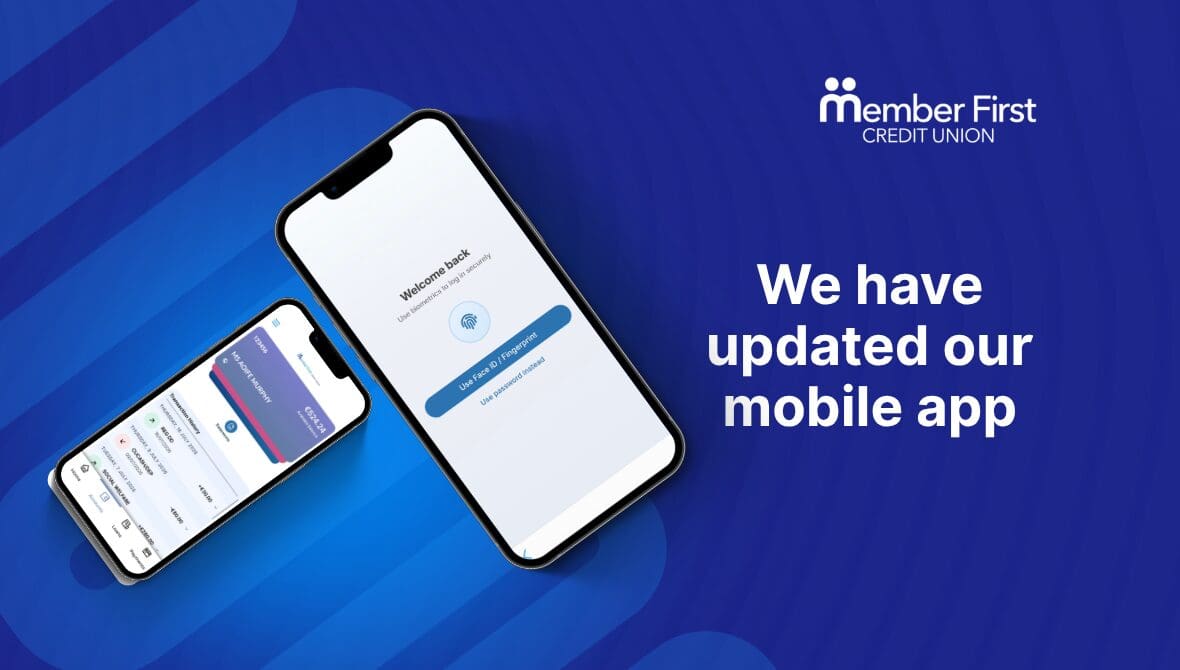
MFCU Mobile App Update: A Fresh Look for Easier Mobile Banking
We’re delighted to announce that we have updated our mobile app, bringing members a refreshed design and a simpler mobile banking experience. Whether you’re checking your balance, reviewing recent transactions or managing a loan application, the updated app is designed to help you get where you need to go more quickly. And don’t worry, while the app has a fresh new look, your login details, security settings and…

we’re here to help

Ask us a question

Online tutorials